Preventative Electrical Maintenance vs Reactive Repairs







Why Preventative Electrical Maintenance Is Important.
Understanding why preventative electrical maintenance is important can help businesses reduce risk, improve efficiency, and avoid costly disruptions.
In many businesses, preventative electrical maintenance is still overlooked, with systems treated as reactive function—something addressed only when a fault occurs. While this approach may seem cost-effective in the short term, it often leads to higher long-term costs, operational disruption, and increased safety risks.
Preventative maintenance, on the other hand, shifts the focus from reacting to problems to preventing them entirely.
This article explores the difference between preventative maintenance and reactive repairs, and why forward-thinking businesses are making the shift.
The real cost of electrical failure isn’t the repair—it’s the downtime, risk, and disruption that comes with it.
Understanding the Difference
This highlights why preventative electrical maintenance is essential for long-term reliability.
Preventative electrical maintenance involves planned inspections, testing, and servicing to identify and resolve issues before they lead to system failure.
Reactive repairs, by contrast, occur only after something has already gone wrong.
Many businesses still rely on reactive approaches because they appear more convenient and less expensive upfront. However, this mindset overlooks the hidden risks and long-term costs associated with unexpected breakdowns.
Preventative maintenance ensures:
- Consistent system reliability
- Reduced risk of failure
- Lower long-term operational costs
The Hidden Cost of Reactive Repairs
When electrical issues are only addressed after failure, the consequences extend far beyond the immediate repair.
Operational Impact
- Unplanned downtime
- Interrupted workflows
- Reduced productivity
Financial Impact
- Emergency call-out fees
- Expedited parts replacement
- Lost revenue during outages
Safety & Compliance Risks
- Increased fire hazards
- Equipment damage
- Greater liability exposure
Over time, repeated failures also shorten the lifespan of electrical systems, making reactive maintenance significantly more expensive in the long run.
Why High-Risk Environments Can’t Afford Reactive Maintenance
In environments such as:
- Petrol stations
- Retail centres
- Office parks
- Industrial facilities
…electrical reliability is not optional—it’s critical.
Failures in these settings can lead to:
- Immediate safety hazards
- Compliance breaches
- Operational shutdowns
Preventative maintenance plays a key role in ensuring:
- Compliance with safety standards
- Continuous operation
- Reduced risk exposure
In high-risk environments, proactive maintenance is not a cost—it’s a safeguard.
What a Proper Preventative Maintenance Program Includes
A structured preventative maintenance plan goes beyond basic inspections. It involves a comprehensive approach to system health and performance.
Typical components include:
- Routine electrical inspections
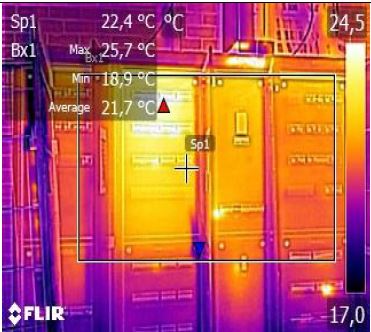
- Thermal (infrared) imaging
- Protection system testing
- Load balancing
- Tightening of electrical connections
- Early fault detection
At Faradays Electrical, maintenance is approached proactively—each plan is tailored to the client’s environment, usage, and risk profile.
This ensures:
- Ongoing compliance with safety standards
- Early identification of risks
- Reliable and efficient system performance
Why Preventative Electrical Maintenance Is Important for Business Performance
Preventative maintenance doesn’t just reduce risk—it improves overall system performance.
Reliability
Regular servicing reduces unexpected breakdowns and ensures systems operate consistently.
Energy Efficiency
Faulty or inefficient components often lead to unnecessary power loss. Maintenance corrects these inefficiencies.
Equipment Lifespan
Addressing issues early prevents excessive wear and extends the life of electrical infrastructure.
The result is a system that is not only safer—but also more cost-effective over time.
Moving from Reactive to Proactive: Where to Start
For businesses looking to transition, the shift begins with a change in mindset.
“Maintenance should be treated as a planned investment—not an emergency expense.”
Practical Steps:
- Schedule regular electrical inspections
- Conduct system audits
- Implement a structured maintenance plan
- Prioritise early fault detection (including infrared scanning)
Faradays recommends a tailored preventative maintenance strategy based on:
- Site risk level
- Operational demands
- Compliance requirements
This approach ensures:
- Reduced downtime
- Improved safety
- Long-term cost savings
Looking to reduce downtime with preventative electrical maintenance?
Partner with a team that understands proactive performance.
Contact Faradays Electrical to develop a tailored preventative maintenance plan for your business.
Explore More Behind-the-Scenes Stories
- Preventative Electrical Maintenance vs Reactive Repairs

- Costly Electrical Planning errors every business should avoid
- The Growing Importance of Clean Power in Modern Workplaces
- The powerful uncovering of Smart, clean & complaint electrical installations
- Powering Growth at Dhlamini Junction with Electrical Works
- Powering Progress: A Remarkable 4-Month Store Strip-Out and Rebuild Journey



Want to learn more about our service- and people-driven culture?
Follow us for more leadership stories and behind-the-scenes insights.
Interested in working with us on your next project?
Faradays operates nationally, with teams in Johannesburg, Durban, and Cape Town.